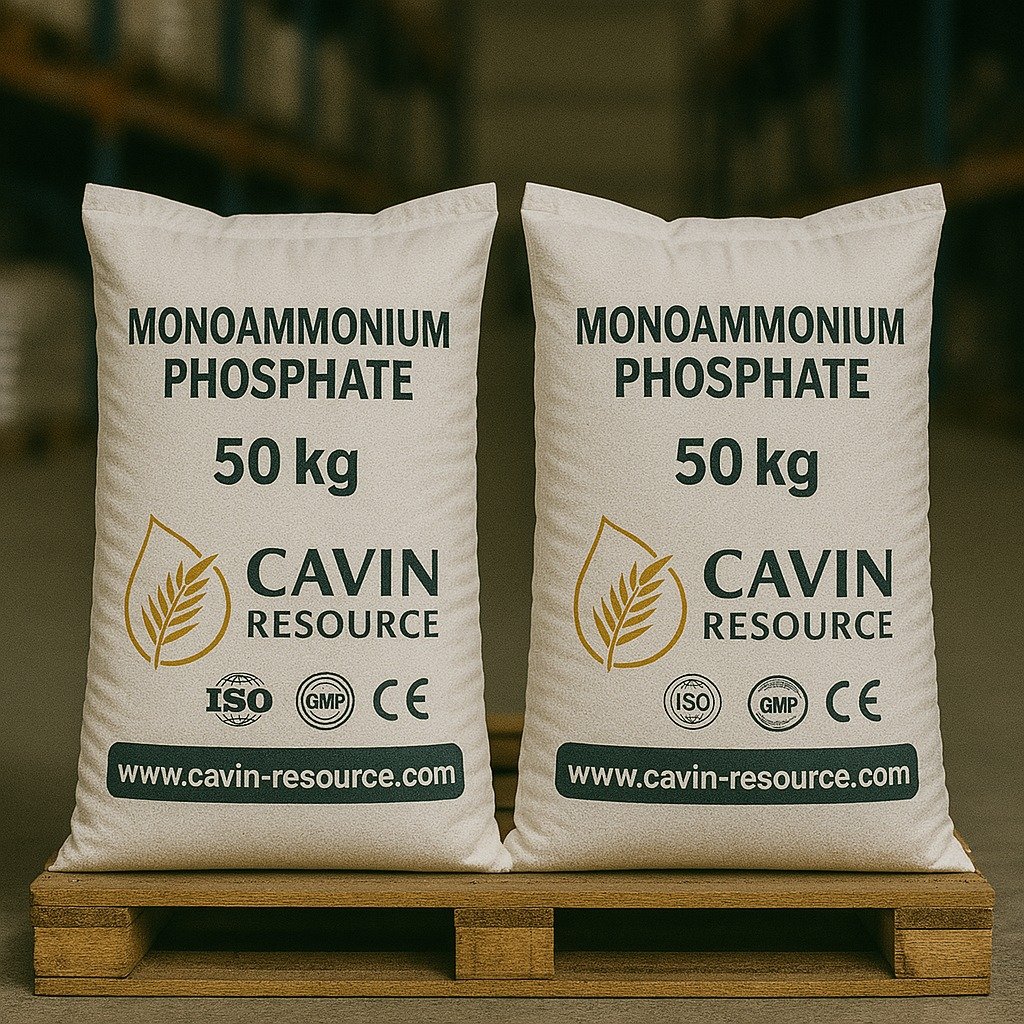
Monoammonium phosphate (MAP is a highly effective fertilizer prized for its distinct blend. This granular substance , typically referred to as 11-52, delivers significant amounts of P2O5 – essential for plant maturation – alongside a decent quantity of nitrogen . The shortage of potassium oxide results in to its targeted usage in agriculture where P requirements are critical .
A Represents 11-52-0 Plant Food? The Comprehensive Guide
11-52-0 blend is a specialized type of formula primarily used to promote phosphorus assimilation in growth. The numbers, 11-52-0, show the percentage by weight of nitrogen, P2O5, and K2O, respectively. In other copyright, it contains 11% nitrogen, a substantial 52% P, and 0% K. This phosphorus-rich content makes it particularly valuable for rooting seedling seedlings and addressing phosphorus deficiencies in the soil. While it offers significant benefits, remember that map fertilizer price 2015 it lacks potassium, so a complete fertilizer may be needed for overall vegetation health.
NPK 11-52-0: Perks and Employments in Farming
MAP 11-52-0, or MAP , is a valuable fertilizer commonly employed in contemporary agricultural practices . Its specific composition – containing 11% ammonia and 52% P2O5 – provides essential nutrients for plant growth and maturation . Growers often employ MAP 11-52-0 to boost base development, promote early blooming , and strengthen overall yield .
- Promotes strong root systems.
- Crucial for early crop development.
- Helps in generating premium crops .
Releasing the Possibility of MAP Compound
MAP offers significant opportunity for increasing agricultural yields . Its high levels of both phosphorus and nitrogenous compounds makes it the excellent choice for many farmers , particularly in early phases of growth . Careful delivery of this fertilizer can result in stronger seedling development and better overall agricultural health .
11-52-0 Fertilizer
Monoammonium MAP (11-52-0) is a powerful nutrient source known for its capacity to boost agricultural yields . This particular formulation delivers a high concentration of P2O5 - critical for root development and vigorous growth - alongside a decent amount of nitrogen for strong leaf development . Incorporating MAP correctly can generate marked advantages in aggregate plant health .
MAP {11-52-0: Your Questions Addressed
Many farmers have queries about Monoammonium Phosphate, particularly regarding its make-up of 11-52-0. Essentially, this indicates the percentage of N, phosphate, and potassium oxide respectively. It’s a highly easily dissolved source of P, crucial for root development and blooming. Below are some common topics:
- What is the advantage of using MAP? MAP offers a concentrated dose of phosphorus, which can be particularly beneficial in soils deficient in phosphorus.
- How should apply MAP? It’s typically spread and incorporated the soil, or used in fertigation systems.
- Can combine MAP with other nutrients? While compatible with some, carefully check suitability to avoid reactions.
Remember that soil testing is always advised to assess the precise nutrient needs of your plants.